An oasis for neurodiverse travellers.
project
Calm Room, Changi T2
client
Changi Airport Group
Team
Ong Ker-Shing, Joshua Comaroff, Lua Jinwei, Marsha Ismail, Dominic Chia, Tan Mei Yee, Rebecca Chong. Photography by Khoo Guo Jie
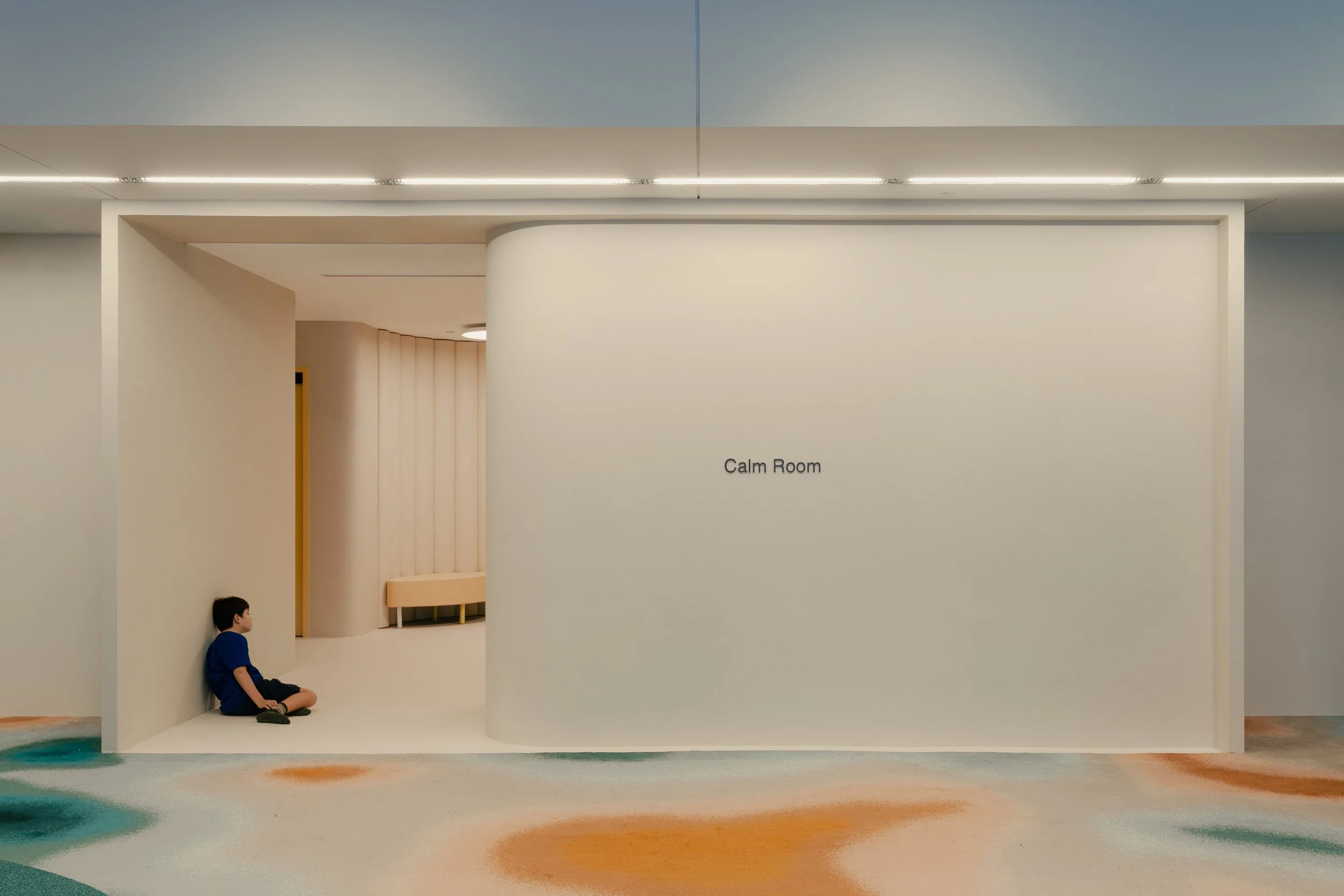
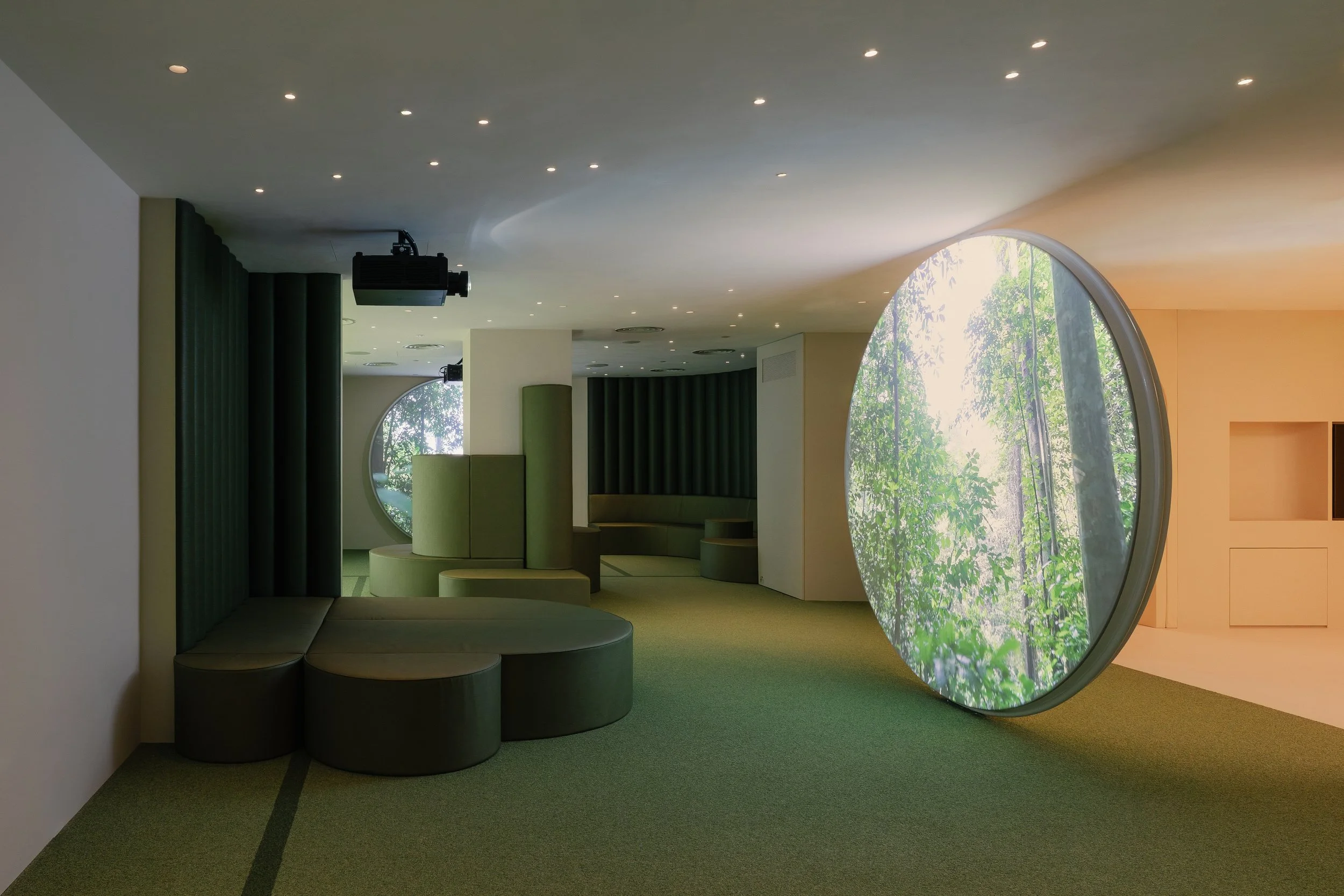
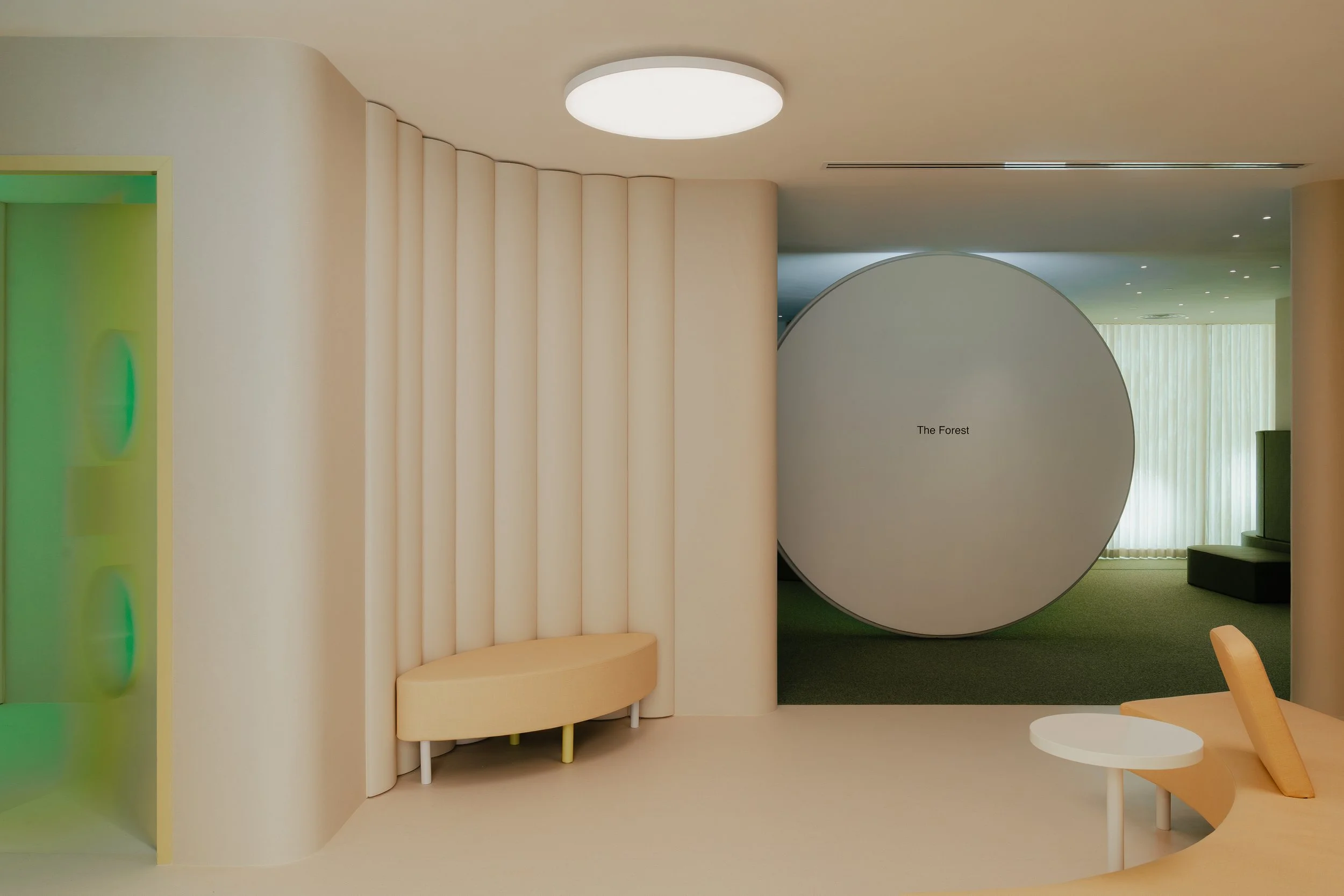
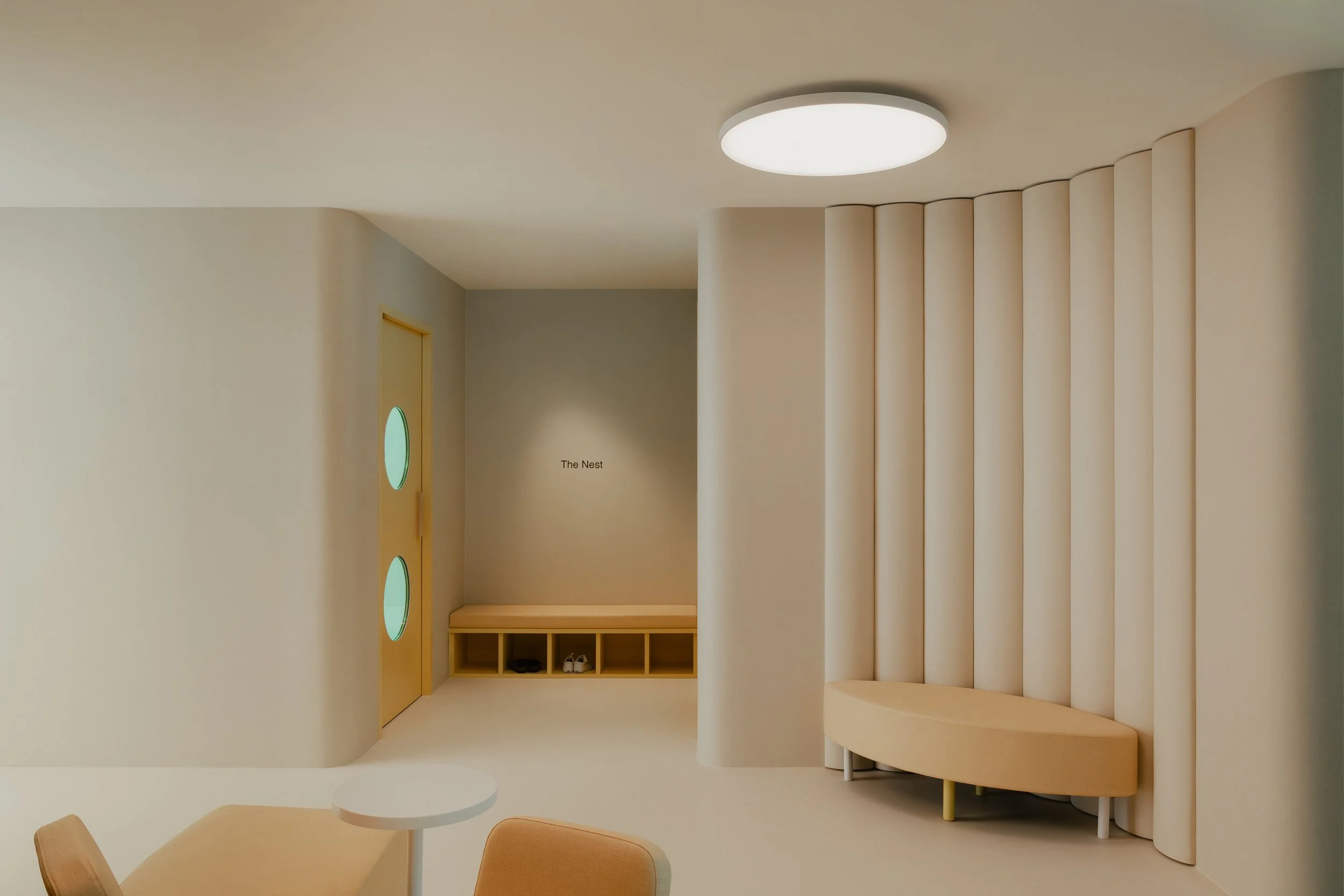
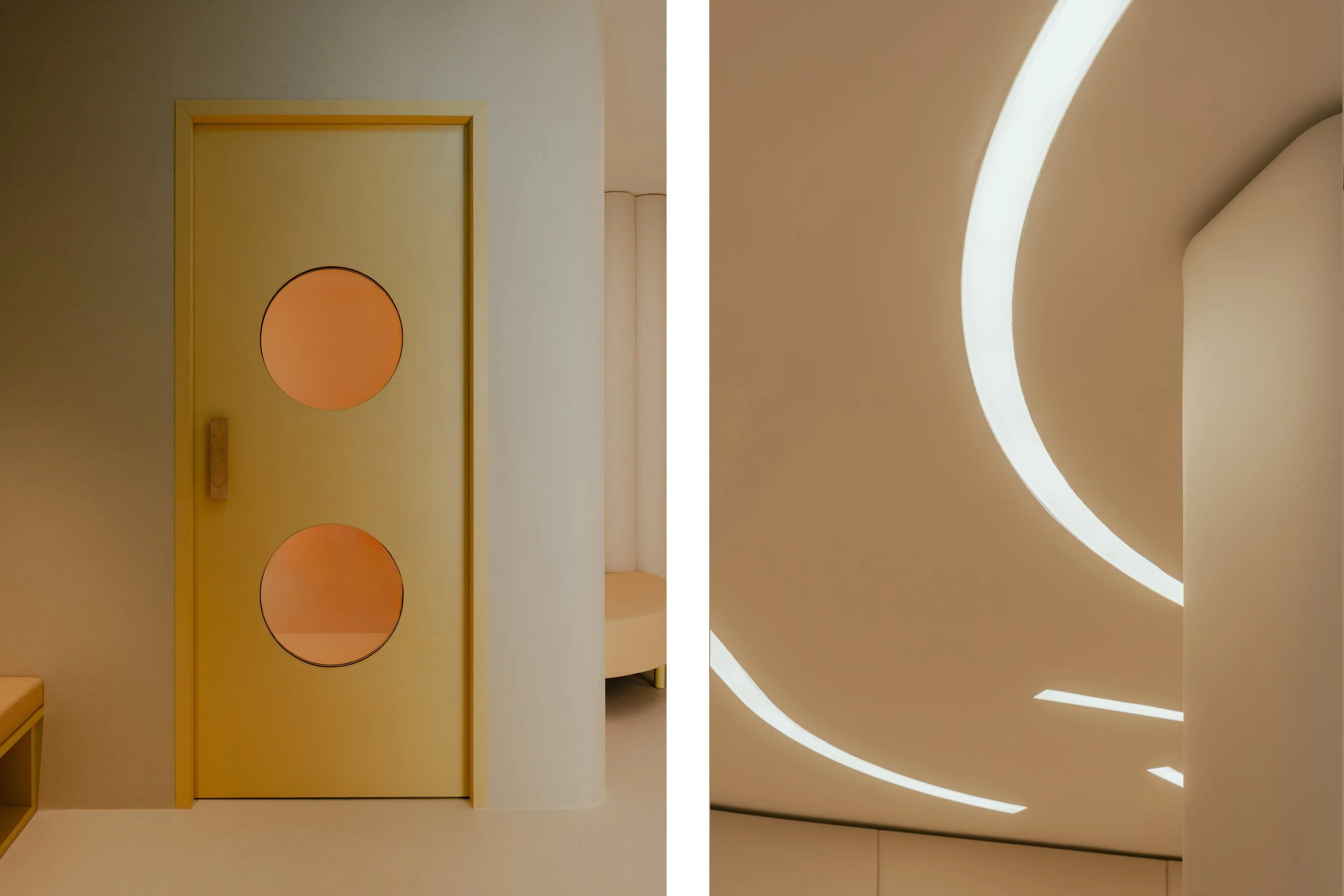
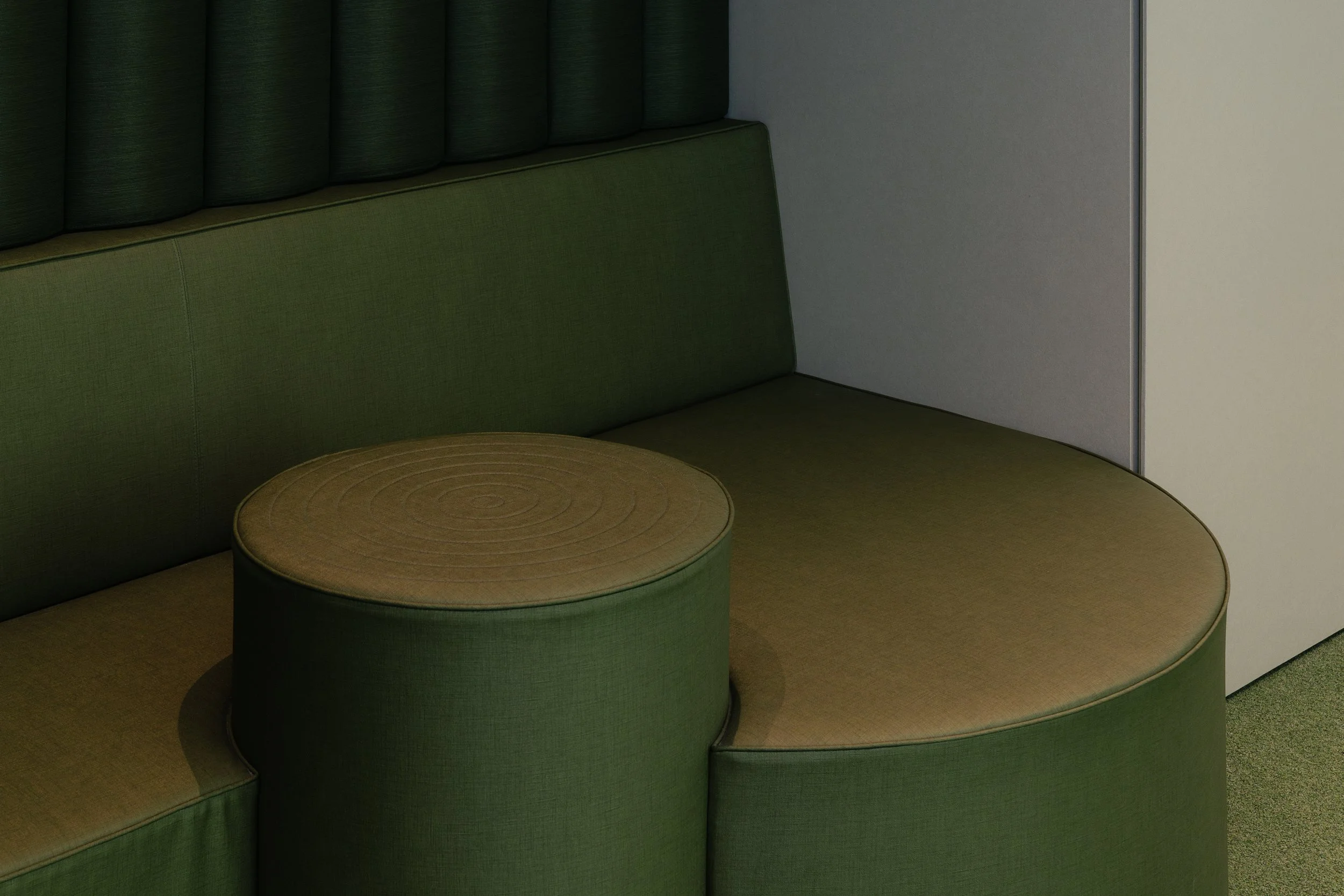
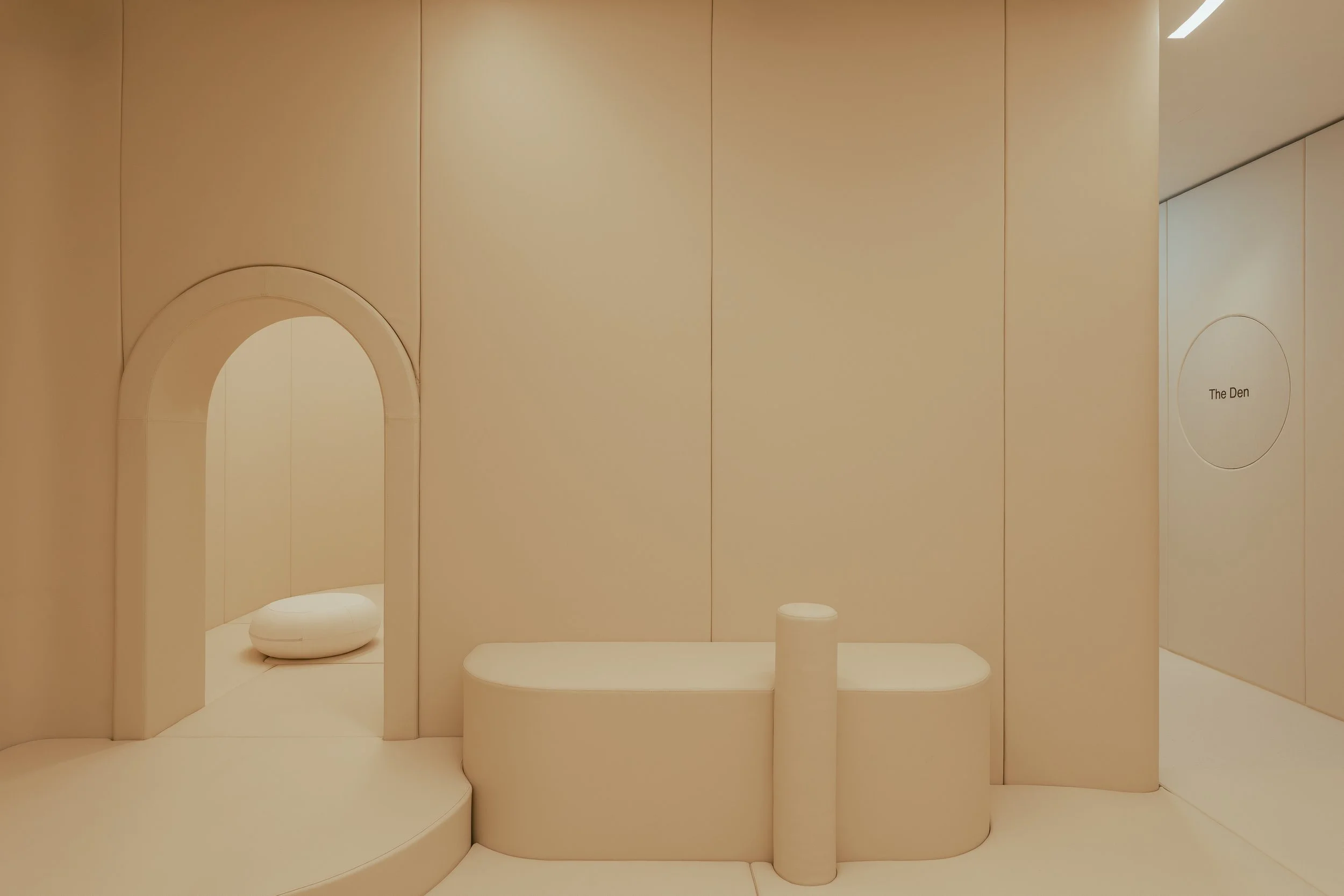
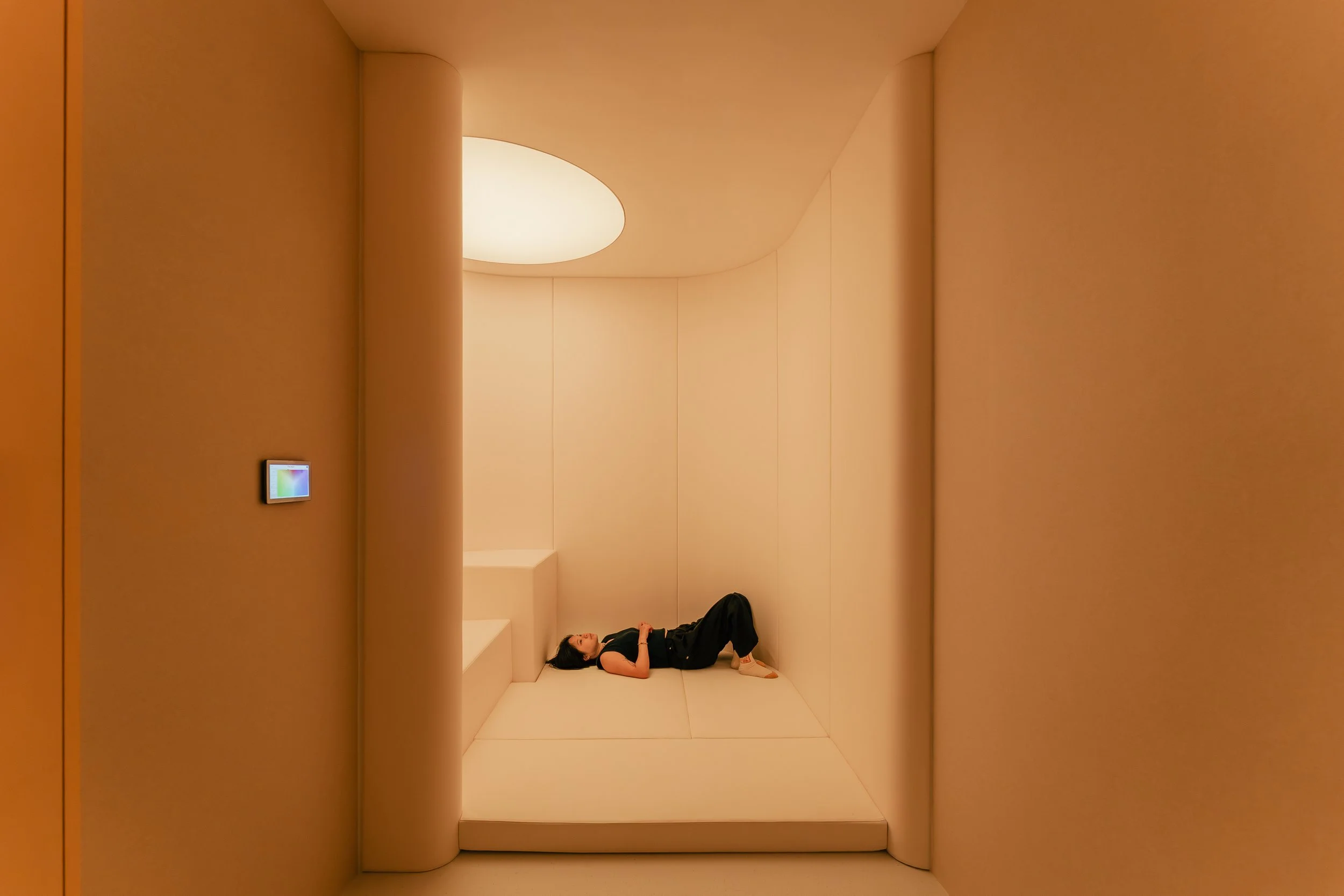
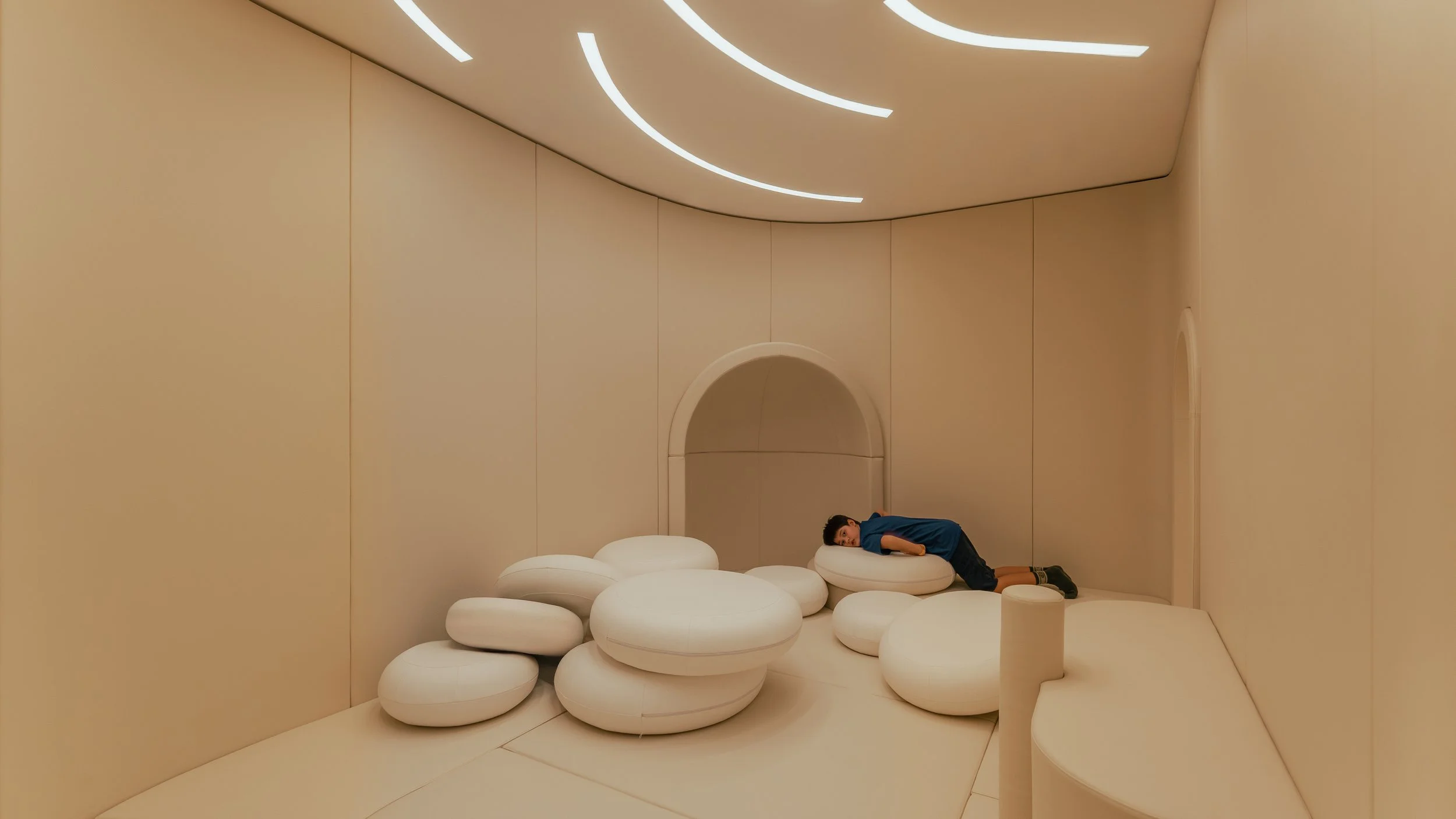
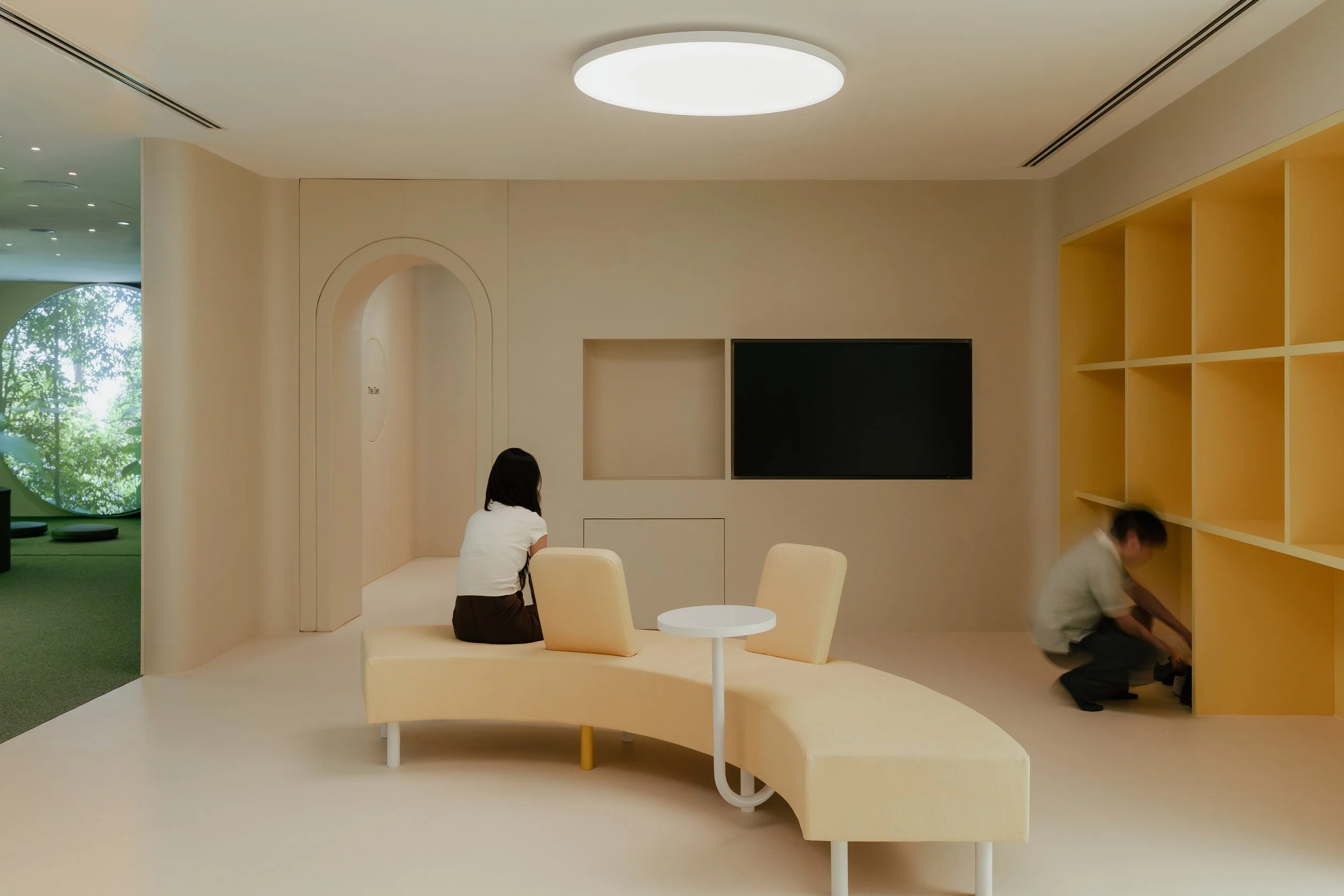
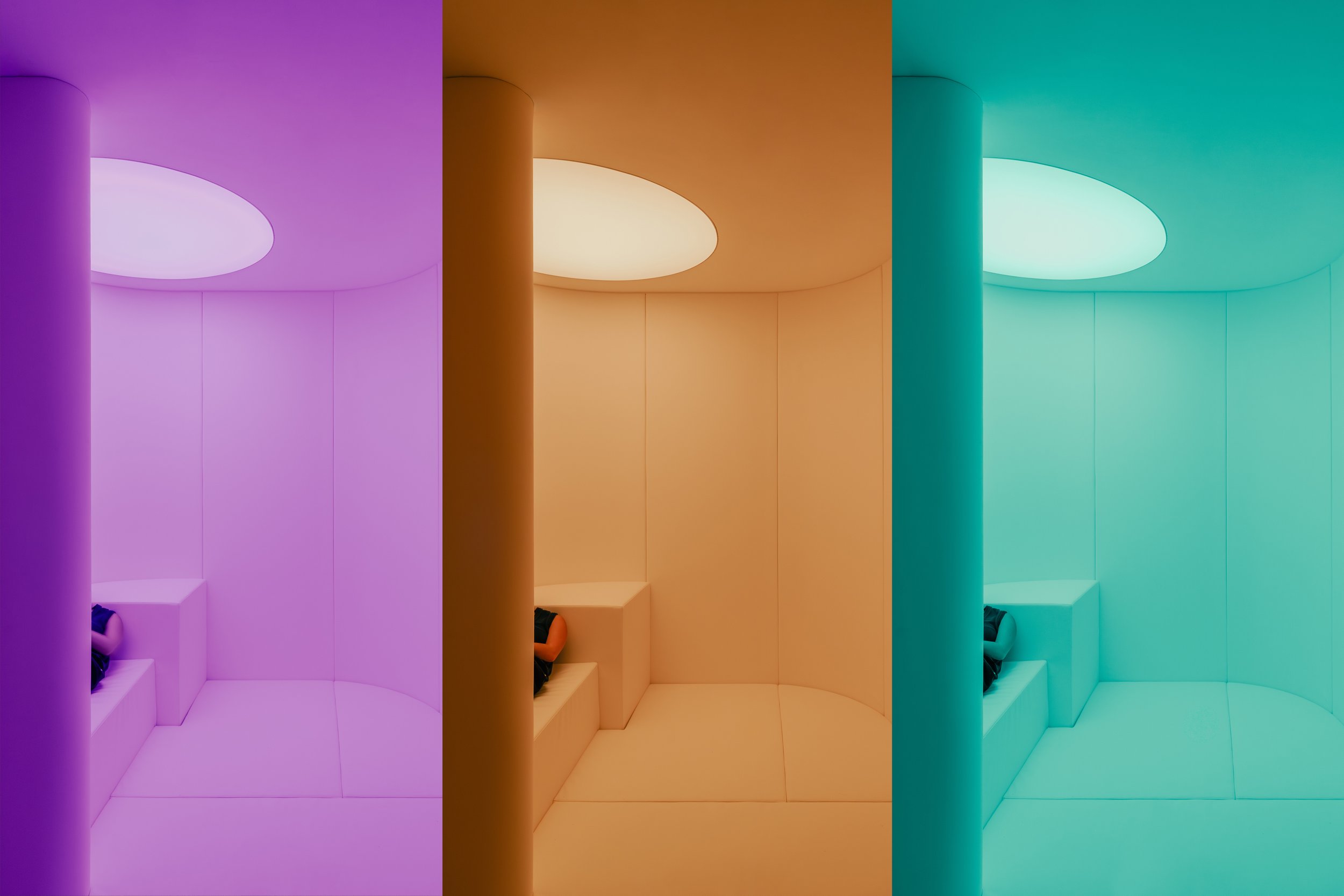
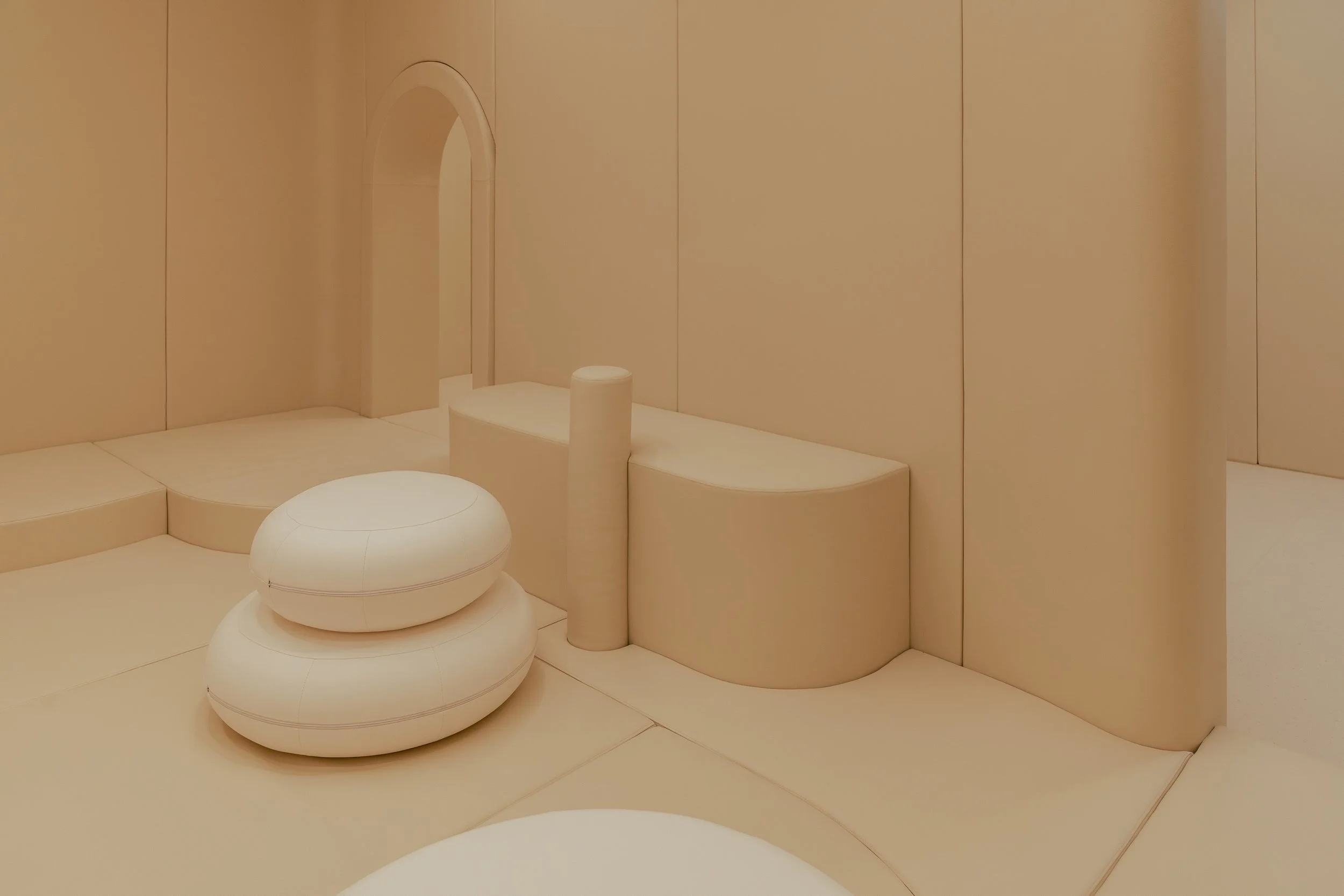
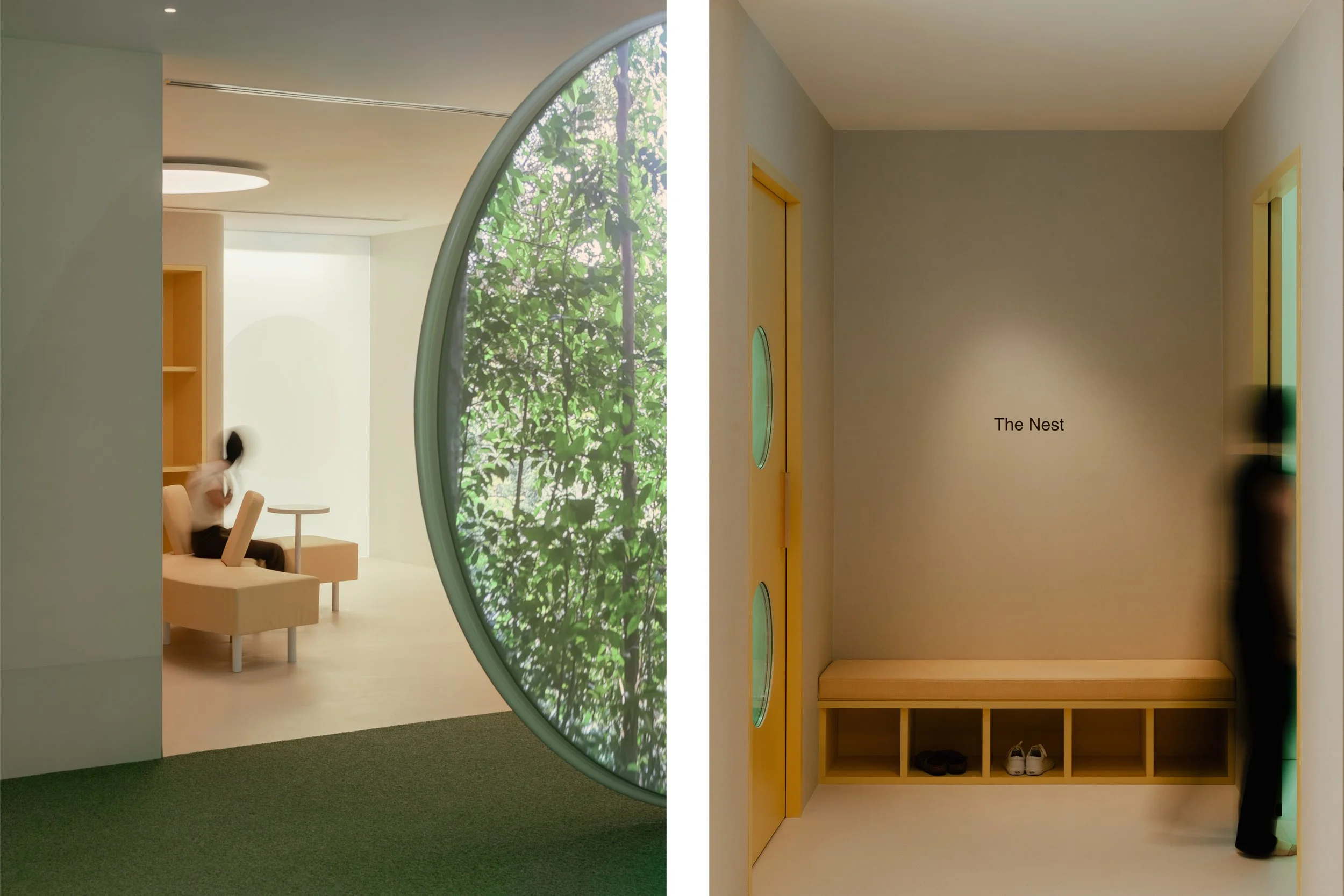
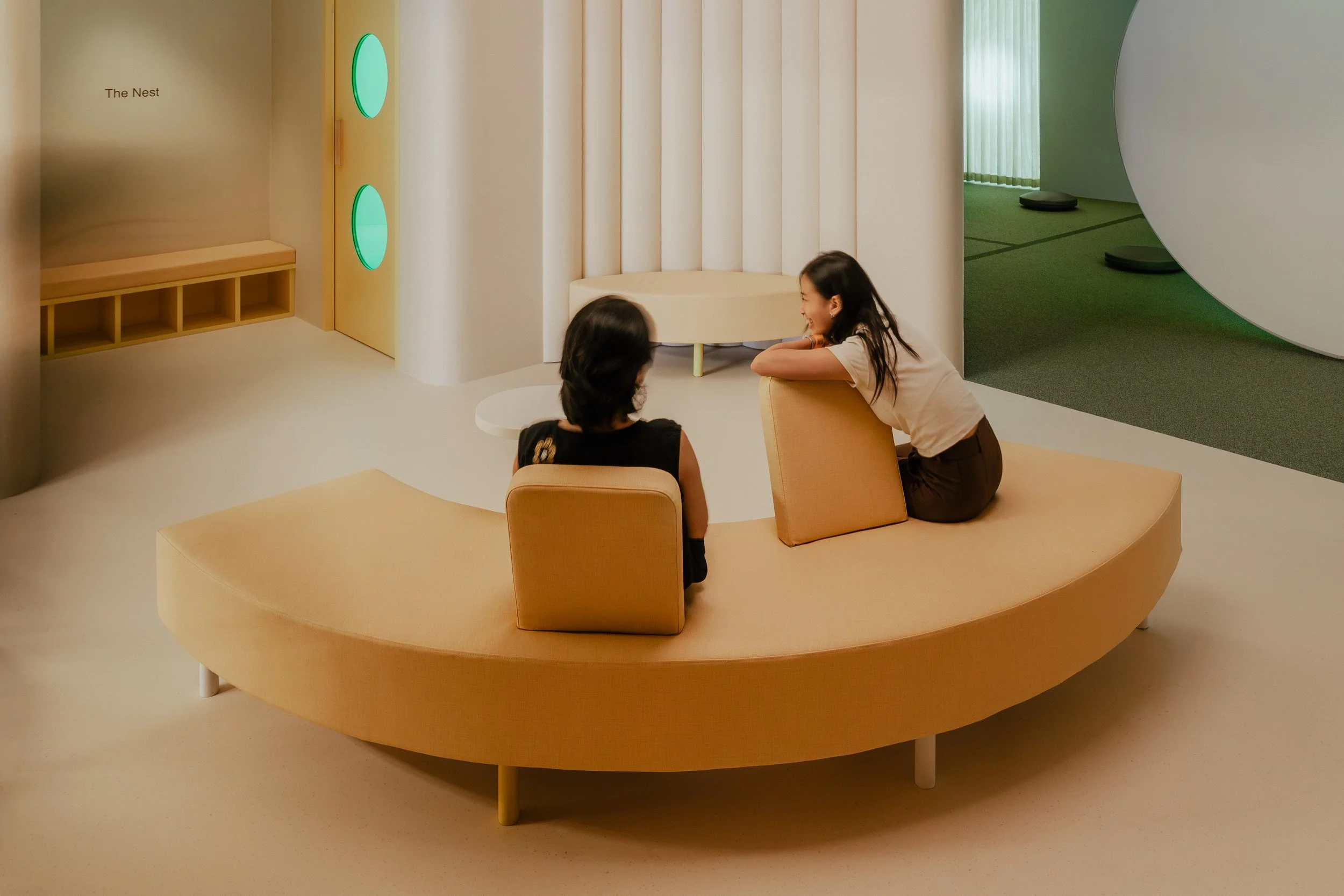
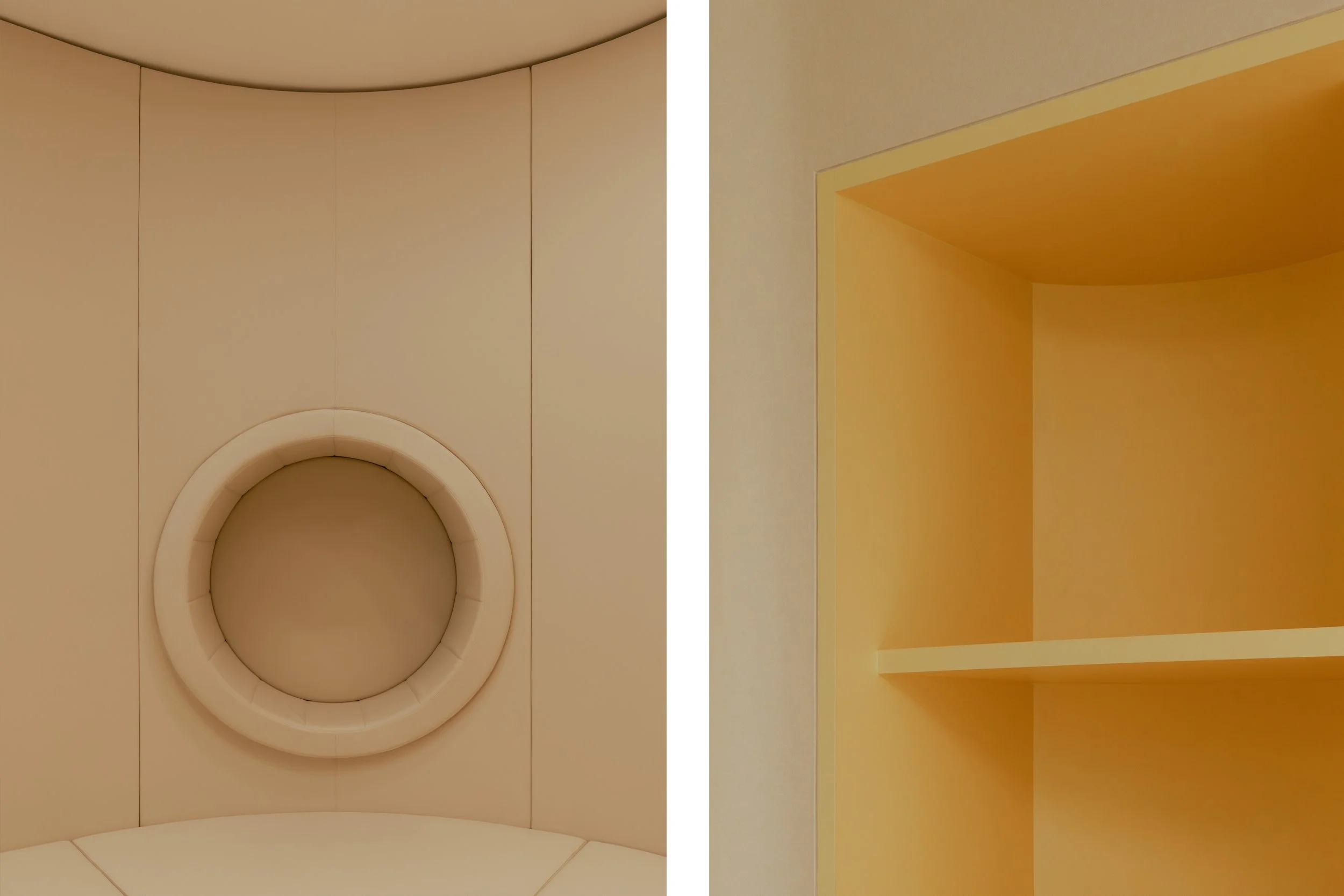
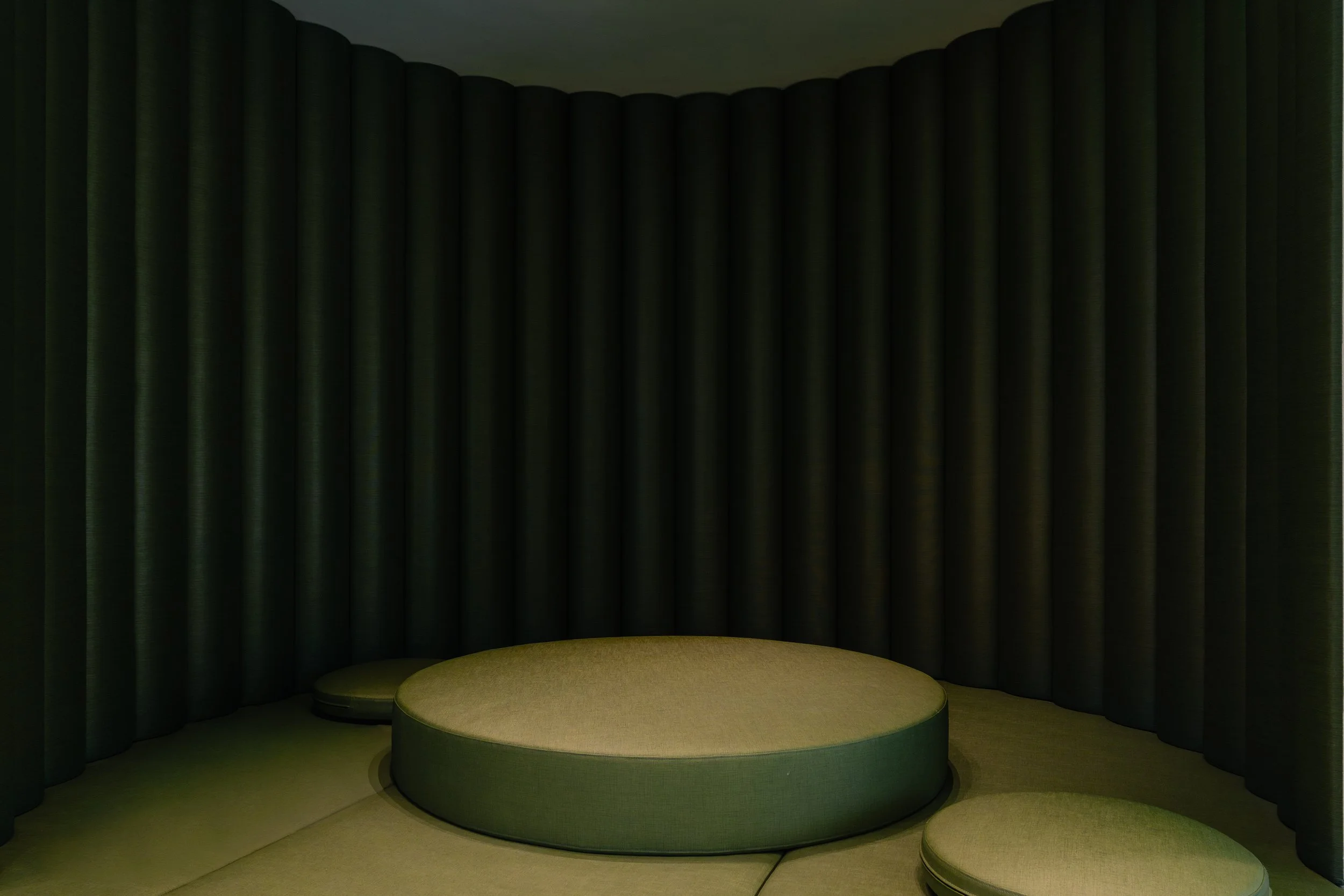
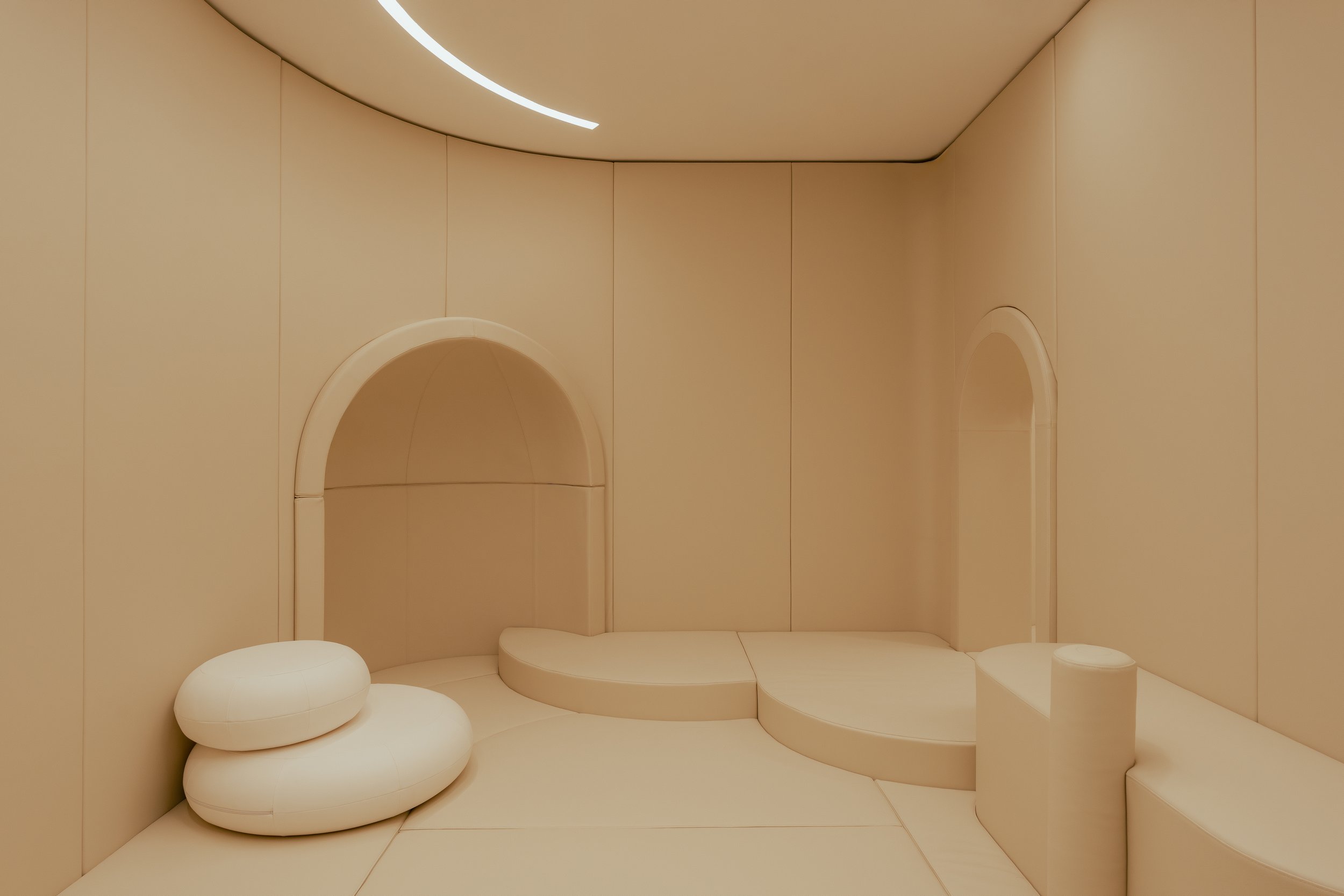
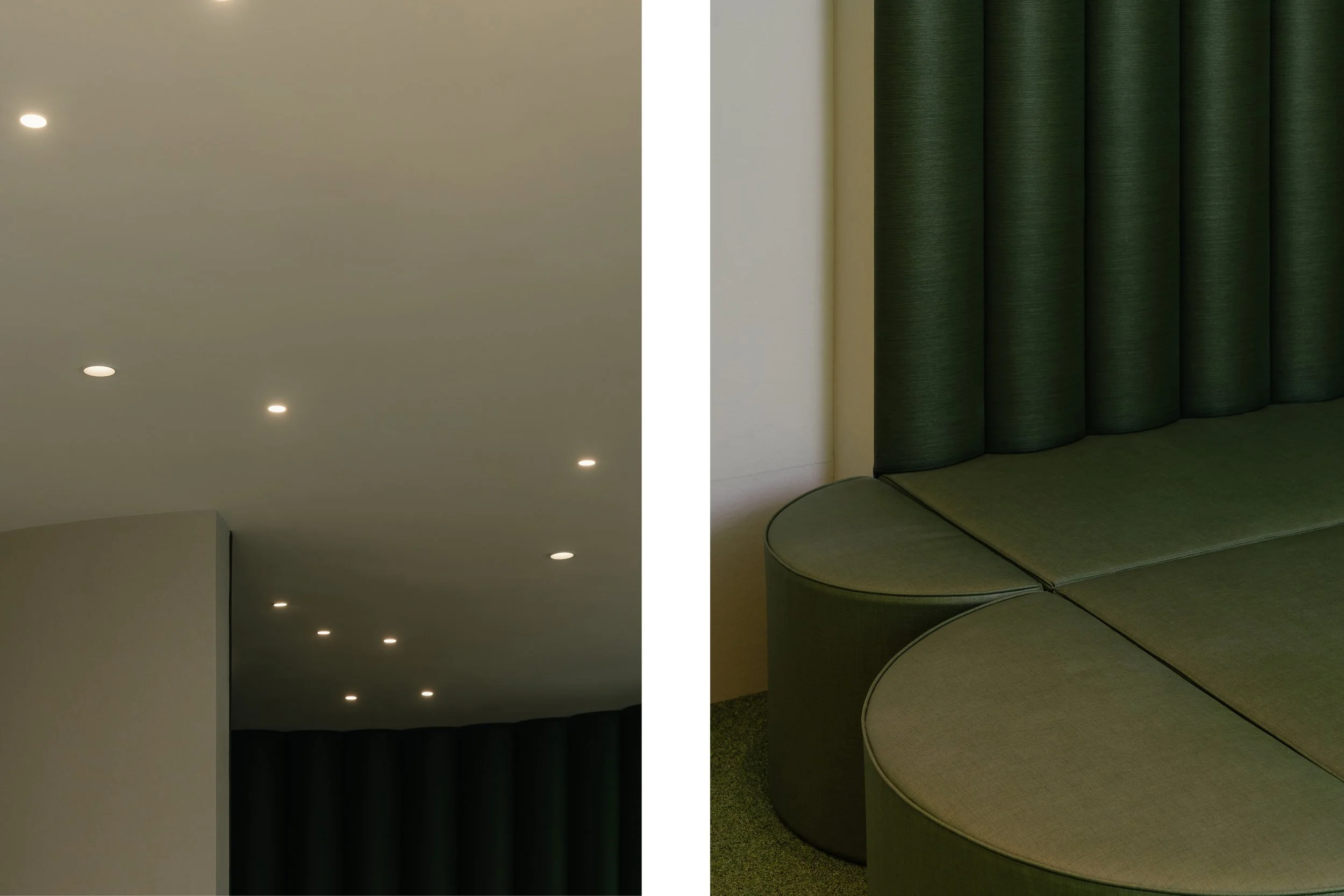
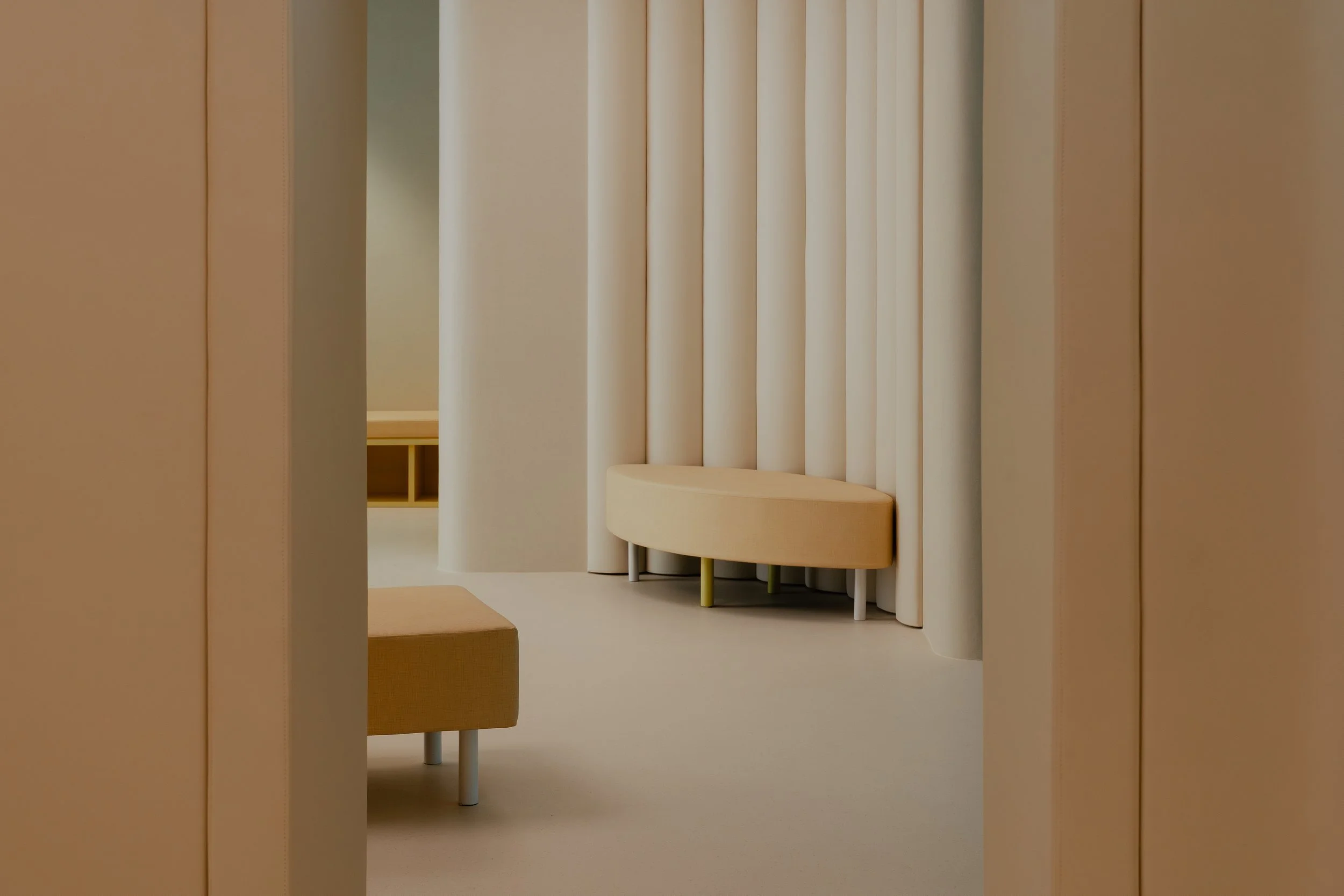
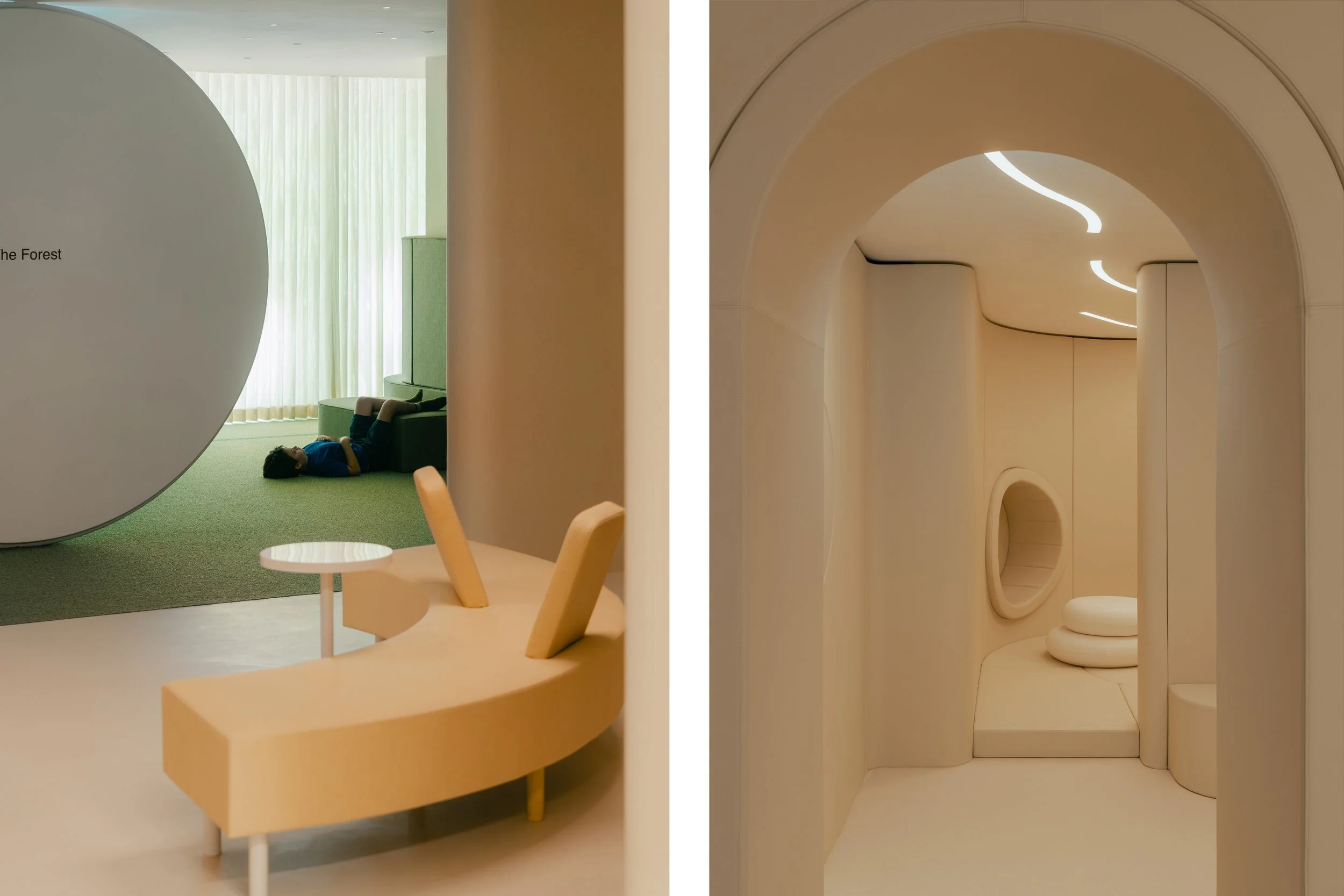
The Calm Room is an inclusive sensory space at Changi Airport Terminal 2, in Singapore. It is designed to serve a broadly neurodiverse community of travellers–most particularly those on the autism spectrum, and older adults with dementia, who experience acute sensitivity to environmental visual and acoustic stimuli. It incorporates a range of rooms and sub-spaces that allow its users reprieve from the terminal: a type of space capable of causing extreme stress for neurodivergent people. It is designed not merely as a clinical facility, but as a new model of inclusive oasis: immersive and transporting, the design translates a sense of softness and comfort into its own refined aesthetic language. At the same time, it pioneers approaches of chromatherapy and the scientifically-documented calming power of natural imagery, through the invention of “biophilic windows” with views of Singapore’s forest landscape and an accompanying soundscape. The design was informed by months of intensive qualitative research, and has been examined through post-occupancy consultations and reviews by neurodiverse individuals and families. The impact of the Calm Room has also been the “viral” subject of social media videos and posts from those who have experienced it–placing Changi at the forefront of inclusive design for airports.
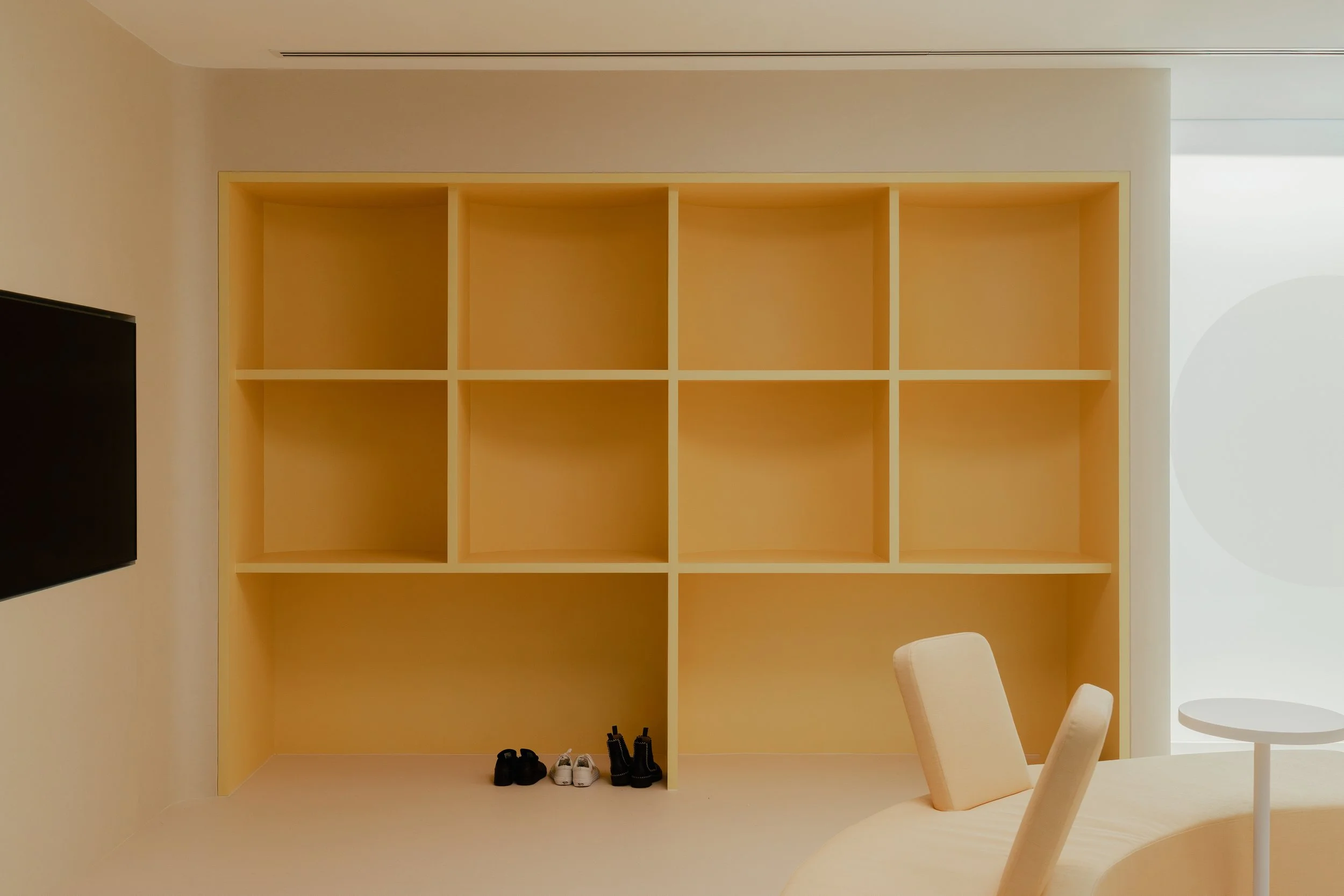
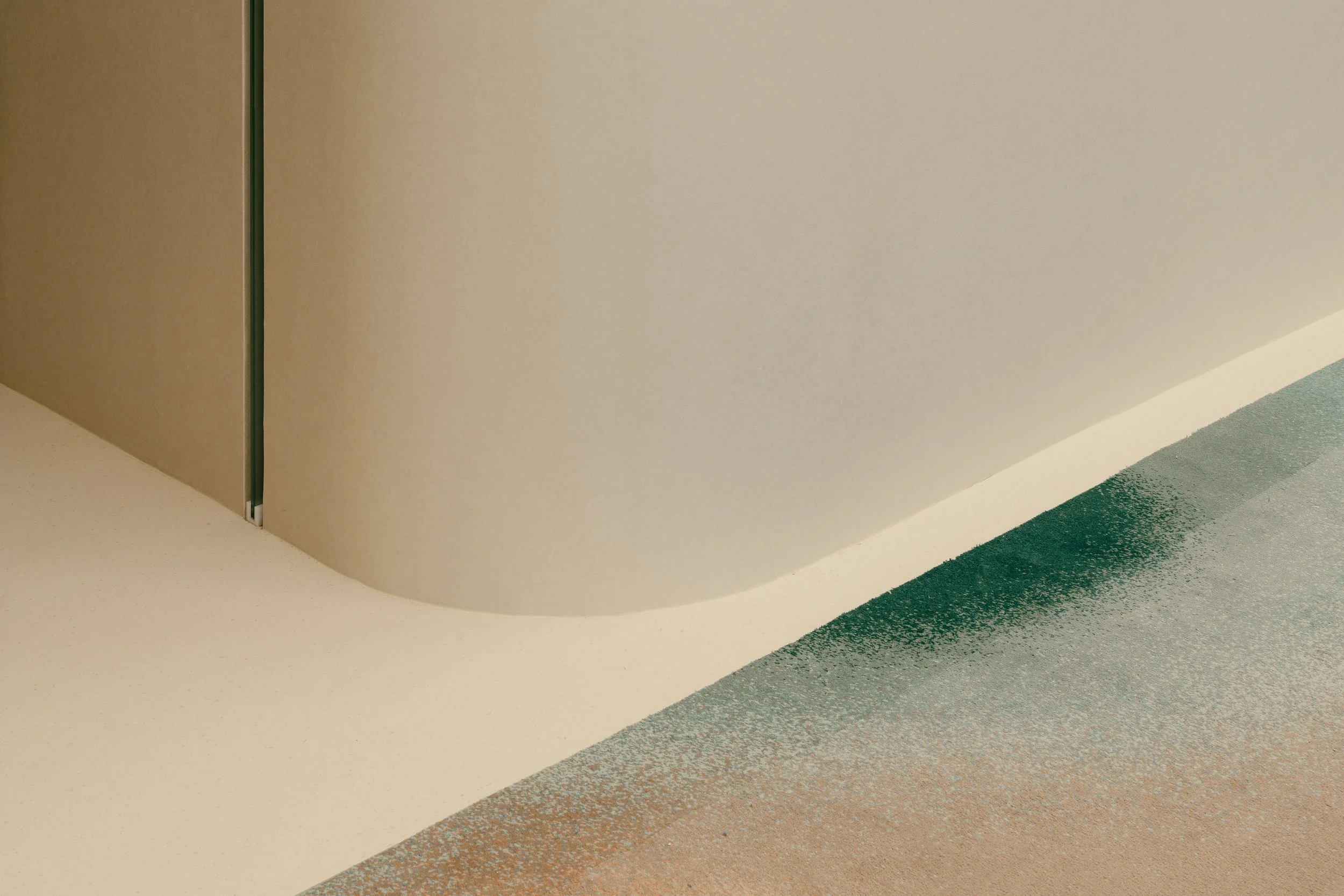
The architecture of The Calm Room was the outcome of over six months of intensive design research–a phase that was included in the scope of the project. Lekker’s team interviewed a broad spectrum of neurodiverse passengers, alongside their families and carers, to understand the challenges faced in airport environments in granular detail. Interviews also included domain experts, who later provided feedback on images of the proposed design, material selections, and questions surrounding signage and communication with users. Data from this phase played a determining role in the outcome, and embodies new approaches to everyday challenges often faced in silence by special-needs travelers. Every aspect of the environment, from light-levels to smooth and “stimulating” tactile material selections, arose from discussion with potential users.